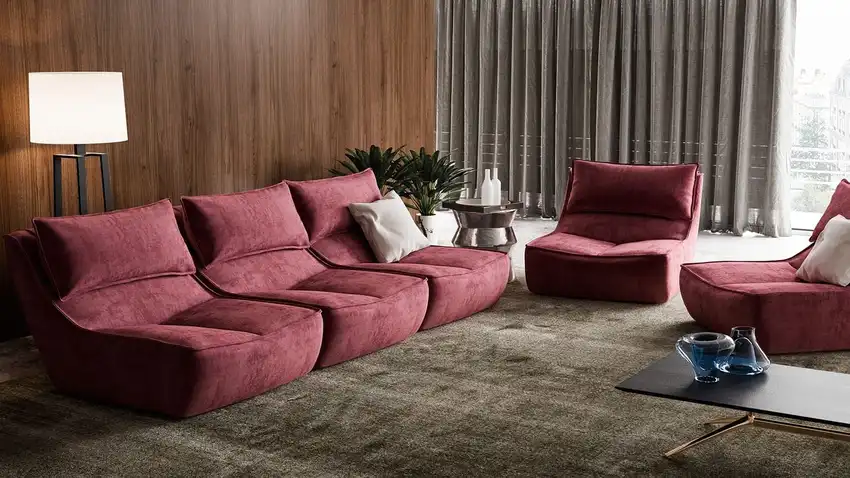

Buying new pieces for your home should be exciting. But many people make quick decisions and regret them later. A sofa may look perfect in the store, but it might not fit well in your home or could block a doorway. Before shopping, learn how to measure a room for furniture to avoid costly sizing mistakes. Taking the right steps helps you save money, use your space better, and avoid problems later. This guide by Yalla Upholstery covers buying furniture for your home from start to finish.
Quick Answer: To buy furniture the smart way, measure your room and doorways before you shop. Set a budget and spend more on pieces you use every day. Check the frame, foam, and joints before buying. Compare prices online and in stores. Remember to include delivery and setup costs in your budget. Before placing an order, read the return policy carefully.
Common Myths About Buying Furniture

A few beliefs confuse many furniture shoppers. Let us clear them up first.
Myth 1: The priciest option is always the best.
A higher price does not always mean better quality. Sometimes, you are paying more for the brand name. A mid-range piece can last longer than a more expensive one.
Myth 2: A matching set looks the most stylish.
Buying a full matching set can make a room look plain. Mixing different finishes and styles adds more character and warmth.
Myth 3: You should buy everything at once.
Taking your time often leads to better choices. Filling a room too quickly can result in purchases you later regret.
Myth 4: Online shopping is too risky to trust.
A good return policy reduces most of the risk. If a piece does not meet your expectations, you can usually return it.
Myth 5: Comfort and good looks cannot mix.
A well-made chair upholstery service can be both comfortable and attractive. You do not have to choose one over the other.
Reasons You Might Need New Furniture

Most people start shopping for a specific reason. Understanding your reason helps you make better choices.
- You may have recently moved into a new house. Empty spaces and unfinished rooms often create an immediate need. First-time homeowners usually experience this the most.
- An older sofa may feel uncomfortable or make noises when used. Sometimes investing in custom sofa upholstery can be a practical alternative to replacement.
- Your household situation may have changed. A baby, pet, or additional family member can create different requirements. Durable, easy-to-clean items work well in active households.
- You may also want to update the appearance of a room with custom furniture Dubai. An outdated space can feel less inviting over time. New seating can make the entire area feel refreshed.
Different Ways To Buy Furniture

There is more than one way to shop for furniture. Each option suits different needs and budgets.
- Brand-new from a retailer.
You receive warranty coverage and unused products. Costs are usually higher, but the selection is often larger. - Online direct-to-consumer.
These companies sell directly to buyers. This can reduce costs while offering comparable quality. - Secondhand furniture.
Older solid wood items are often built to last. This option helps lower expenses and cuts down on waste. - Custom or made-to-order.
A craftsperson creates the item to match your measurements. Production takes longer, but the result fits your space precisely. - Flat pack furniture.
You put the pieces together yourself after delivery. Prices stay affordable, although long-term durability may be limited. - Floor sample sales.
Retailers often reduce prices on display models. This can be a good way to purchase a high-quality piece for less.
Furniture Styles To Know Before You Shop

Learning a few furniture styles makes shopping easier. Below are some popular choices.
- Modern style features clean lines and simple forms. The colour palette is usually soft and neutral.
- Mid-century style combines wooden details with gentle curves. It creates a welcoming and timeless appearance.
- Traditional style focuses on rich wood finishes and decorative craftsmanship. It fits well in elegant settings.
- Transitional style combines classic and contemporary elements. It adapts easily to many interiors.
- Minimalist style focuses on essential pieces only. Open areas and simplicity become key design features.
Choose one or two styles before making purchases. Having a clear direction helps the room feel organized and balanced.
Furniture Buying Process | Quick Overview Table
Here is a simple overview of the process. You can refer to it while shopping.
| Step | What You Do | Why It Matters |
| Plan | Measure rooms and set a spending limit | Helps avoid sizing and budget mistakes |
| Prioritise | Identify the most-used items first | Directs funds toward important purchases |
| Research | Read reviews and compare prices | Helps uncover concerns and savings opportunities |
| Inspect | Examine the frame, foam, and fabric | Gives clues about durability and lifespan |
| Decide | Verify size, comfort, and total cost | Reduces the chance of future disappointment |
| Protect | Review return and installation policies | Provides support if an issue occurs |
Skill Level Needed To Buy Furniture Well

Good news: you do not need any special design training. Anyone can learn how to shop wisely with a little attention and planning.
The biggest challenge is patience, not knowledge. It is important to avoid making a purchase too quickly. Taking a little extra time can help you avoid costly mistakes.
Simple math is enough when comparing long-term value. A tape measure does most of the work. Both skills are easy to learn in a short time.
Someone furnishing a small apartment follows the same process as a person furnishing a large house. The amount of space changes, but the approach remains the same.
Tools & Things You Need Before You Shop

A little preparation makes the experience much smoother. Gather these items before you begin.
- A tape measure is the most important tool. Bring a notebook or use your phone to save measurements. Record room dimensions before leaving the house.
- A free room-planning app can help test different layouts. Many apps allow you to place items into a photo of your room. This gives a better sense of scale before making a purchase.
- Request fabric swatches whenever possible. Compare them beside your walls and flooring. Colours on screens often appear different from real life.
- Create a checklist of your everyday requirements. Include ceiling measurements as well. These simple details help prevent common sizing issues.
How To Measure Your Space For Furniture

Measuring is often overlooked, yet it prevents many problems.
Begin with the room itself. Record the length, width, and ceiling height. Mark the locations of windows, doors, and electrical outlets.
Next, measure all access routes. Check entry doors, hallways, staircases, and elevators. An item may fit inside the room but still be difficult to bring indoors.
Use painter’s tape to mark the footprint of each item on the floor. Live with the layout for a few days. This makes it easier to judge whether the arrangement feels comfortable.
Allow enough room for movement. Maintain open pathways between seating areas and walls. Too many large items can make a space feel cramped.
How To Set A Furniture Budget

A budget helps guide every purchasing decision. Establish one before you start browsing.
Choose an overall spending amount first. Then divide it among rooms based on importance. Areas used most often should receive a larger portion.
Put more money toward essentials such as a custom bed or primary sofa. Spend less on decorative pieces that see little use. This approach helps stretch your funds further.
Select the highest quality available within your price range for important items. A durable sofa frame is usually worth the added expense. Lower-quality seating often needs replacement much sooner.
Keep a small amount aside for unexpected expenses. Delivery and assembly charges can add up quickly. We discuss those costs later in the guide.
How To Buy Furniture Step By Step

Following a clear order makes the process easier to manage.
- Map the room. Record all dimensions, entry points, and pathways.
- List your priorities. Rank items based on daily use.
- Set the budget. Allocate an amount for each area.
- Research options. Read reviews and compare several retailers.
- Build a mood board. Gather images that work well together.
- Test in person when possible. Sit on the seating and check the storage features.
- Inspect the build. Review the frame, foam, and connection points.
- Confirm the terms. Check return policies, warranties, and delivery details.
- Place the order. Note expected arrival times.
- Check on arrival. Inspect everything before accepting delivery.
This process helps you plan first and purchase second. That simple change can prevent many disappointing decisions.
How To Check Furniture Quality Before You Buy

An item may look good at first, but may not last very long. Quality often depends on details that are not immediately visible.
- The frame.
Choose solid wood whenever possible instead of particleboard. Connections should be glued, screwed, or secured with dowels. Stapled sections tend to loosen sooner. - The cushions.
Press down on the seat surface. High-density foam bounces back and keeps its shape longer. The cushions. Press down on the seat surface. If cushions have lost support, a sofa cushion replacement may restore comfort. - The springs.
The phrase 8-way hand-tied is often associated with premium seating. This system provides balanced support for many years. - The fabric.
A tightly woven material helps resist snags and marks. Reversible cushions can be turned over, helping them last longer. - The finish.
Feel the surface of wooden areas. Thin veneers may peel over time, while solid wood can often be repaired and refinished.
Mistakes To Avoid When Buying Furniture

Even prepared shoppers can make mistakes. These are among the most common.
- Buying on impulse.A discount can make a purchase seem better than it is. Give yourself a day to think before spending on major items.
- Ignoring everyday needs. Light-coloured fabrics around children or pets can show marks quickly. Choose materials that fit your lifestyle.
- Visiting only one retailer. The first option is not always the best value. Compare several sources before deciding.
- Skipping reviews. Previous customers often point out issues not shown in product photos. Read positive and negative feedback.
- Misplacing receipts and policies. Missing paperwork can make returns difficult. Keep all documents together in one location.
- Completing an entire room too quickly. A rushed collection can feel less personal. Adding items gradually often creates a better result.
How To Buy Furniture Online vs In A Store
Both options can work well. Many shoppers use a combination of the two. Here is a simple comparison.
| Factor | Online | In A Store |
| Choice | Very large selection | Limited to items on display |
| Price | Often more affordable | You may be able to negotiate |
| Comfort test | Cannot try it beforehand | You can test it before purchasing |
| Delivery | Sent directly to your address | You may transport it yourself |
| Returns | Depends on company policies | Easier to return in person |
| Advice | Support through chat or email | Staff can provide guidance |
A balanced approach often works best. Try a model in a showroom first. Then compare the online cost for the same item. This gives you both confidence and potential savings.
How To Set Old & New Furniture Pieces

Most people do not replace everything at the same time. Combining older and newer items takes a bit of planning.
- Choose wood finishes that work well together. Similar tones usually look more natural than very different ones.
- Repeat a colour throughout both older and newer items. This helps create a more connected appearance.
- Maintain a similar level of style. A very formal sofa may not blend well with an extremely casual chair.
- Add a rug, throw pillows, or accessories to tie different looks together. Shared colours help create balance.
- Step back and look at the entire room rather than each item separately. Make small changes until everything feels connected.
Extra Costs To Plan For When Buying Furniture

This is an area many buyers overlook. The listed price is often not the final amount you spend.
Delivery.
Large items usually cost more to transport. In-home placement services can increase the total even further.
Assembly.
Some products arrive in separate parts. You can put them together yourself or hire someone to do it.
Fabric protection.
Protective treatments often come with an extra charge. They may help reduce damage from spills and stains.
Old furniture removal.
Many retailers charge a fee to remove unwanted items. Independent removal services may also add to the cost.
Wait times.
Custom-made and high-demand products may take eight to sixteen weeks to arrive. Temporary arrangements may be needed during that period.
Include these expenses in your budget from the beginning. An option that appears affordable at first can become much more expensive after additional charges are included.
How To Judge If Furniture Is Worth The Price

There is a simple method that many people overlook. It can completely change the way you evaluate value.
Do not focus only on the purchase price. Consider how much the item costs for each year of use. Divide the amount paid by the number of years you expect it to last.
A lower-priced sofa may seem like a better deal today. However, replacing it more often can increase the total cost over time. A well-built sofa may cost more initially but remain useful for many years.
| Choice | Price | Years It Lasts | Cost Per Year |
| Budget sofa | $500 | 2 | $250 |
| Mid-range sofa | $1,200 | 8 | $150 |
| Quality sofa | $2,000 | 15 | $133 |
The figures above are examples only and not fixed market prices. Even so, the principle is often true. Higher-quality options can provide stronger long-term value.
This idea is the foundation of a “buy it for life” approach. You invest once and avoid frequent replacements. Apply this calculation whenever you consider a major purchase.
Best Time To Buy Furniture For Low Prices

The timing of your purchase can make a big difference in cost. Waiting for the right moment often pays off.
Major holiday sales often bring significant discounts. Retailers clear inventory and promote special deals. Keep these dates in mind when planning a purchase.
Many stores update their collections throughout the year. Older models are often reduced in price to make room for newer arrivals. Ask staff when upcoming markdowns are expected.
Display items on the sales floor are frequently offered at lower prices. These products may have minor signs of use from being on display. Check them carefully and you could save a substantial amount.
If your situation allows, wait for a better offer. An item you like today may be available at a lower cost during the next promotion. Avoid letting urgency determine your spending decisions.
How To Get Better At Buying Furniture

Experience helps improve future decisions. Each purchase gives you useful knowledge.
Keep a record of what performed well. Did the material stay in good condition? Was the size suitable for the room? Personal experience can be more valuable than many online opinions.
Save photos of designs you enjoy. Over time, your preferences become clearer. This makes future selections quicker and more confident.
Speak with people who have experience choosing furniture. Friends, family members, and craftspeople often share practical advice. Their knowledge can reveal details that product images miss.
Trust your preferences, but always examine construction quality. Combining personal style with careful evaluation leads to better results. With practice, the process becomes much easier.
Our Personal Research On Buying Furniture

After looking at many home furnishing projects, several common patterns appear again and again. These observations are worth sharing.
The most common regrets are linked to rushing decisions rather than spending limits. People who move too quickly often choose the wrong dimensions or materials. Those who take their time are usually more satisfied.
Another pattern involves hands-on testing. Buyers who try an item in person often remain happier with their choice. Images cannot fully show how supportive or comfortable a seat feels.
A third lesson involves the structure underneath. Items built with strong wooden foundations tend to stay in good condition through multiple moves. Less durable constructions often show wear much sooner.
The final lesson relates to additional charges. People who prepare for transportation and assembly expenses usually complete the purchase with confidence. Those who overlook these costs are often surprised by the final amount.
These are personal observations rather than scientific findings. Even so, they appear repeatedly across many homes. They also influenced the advice shared throughout this guide.
Helpful Insights On Buying Furniture

A few extra suggestions can help you make better decisions. Keep these points in mind.
- Read the warranty details, not only the coverage period. Understand exactly what is included and what is excluded. A lengthy warranty does not always provide complete protection.
- Ask whether the retailer offers price matching. Many businesses will match a competitor’s lower price, even if they do not actively promote the option. A simple question may lead to noticeable savings.
- View products in natural daylight whenever possible. Store lighting can affect how colours appear. Daylight gives a more accurate impression of the actual shade.
- Open and close drawers and doors several times before deciding. Moving components usually wear out sooner than fixed sections. Smooth operation is often a sign of better craftsmanship.
- Ask about replacement parts and repair services. Products that can be repaired often remain useful much longer. This is especially important for frequently used seating.
Commonly Asked Questions By Homeowners
How do I remove the smell from new furniture?
If odors remain after relocation, follow this guide on how to clean upholstery after moving Open windows and improve airflow for several days. Sprinkling baking soda on cushions may help absorb unwanted smells. In most cases, the odour disappears naturally within a couple of weeks.
Is fabric or leather better for a family sofa?
Both options have benefits and drawbacks. Leather upholstery is easy to wipe clean and works well in homes with pets. Performance fabrics resist marks and usually feel softer. Base your decision on your household needs rather than appearance alone.
Can I negotiate the price in a furniture store?
Yes, more often than many people expect. Ask about display models, package discounts, or seasonal promotions. Staff members may have flexibility on larger purchases. Asking politely can sometimes lead to noticeable savings.
How do I care for wood furniture so it lasts?
Keep wooden surfaces away from direct sunlight and heating vents. Clean spills quickly before moisture can soak in. Use a soft cloth and products made for headboard upholstery wood care. Regular maintenance helps preserve the finish for many years.
How many seats do I need in my living room?
Think about how many people use the space regularly. Add one or two extra spots for visitors. A three-seat sofa and two chairs work well for many households. Leave enough room for comfortable movement around the layout.
What furniture is best for a small home?
Choose items with more than one outdoor cushions function. A storage bed or nesting tables can help save space. Slim frames and raised legs often make rooms appear more open. Take careful measurements to avoid overcrowding.
Is a protection plan worth buying with furniture?
The answer depends on the item and your household situation. A protection plan may be useful for heavily used pieces or homes with young children. Review the coverage details before purchasing. It may not be worthwhile if normal wear is excluded.
Is it safe to buy a used sofa?
Yes, if you inspect it carefully. Check that the frame feels sturdy and that there is no damp or musty odour. Test the cushions and examine the stitching closely. Avoid anything showing signs of pests, heavy staining, or structural weakness.
Key Takeaways
- Measure your room and doorways before shopping.
- Set a budget and focus spending on items used every day.
- Examine the frame, foam, and joints to assess durability.
- Measure value by yearly cost of use, not only by the purchase price.
- Include delivery, assembly, and removal charges in your planning.
- Review return policies so a poor choice does not become an expensive mistake.
- Take your time, because patience helps prevent many regrets.
Buying for your home is a skill that improves with experience. Plan carefully, inspect construction quality, and wait for a good opportunity when possible. Following these steps can help every piece remain useful and enjoyable for many years.