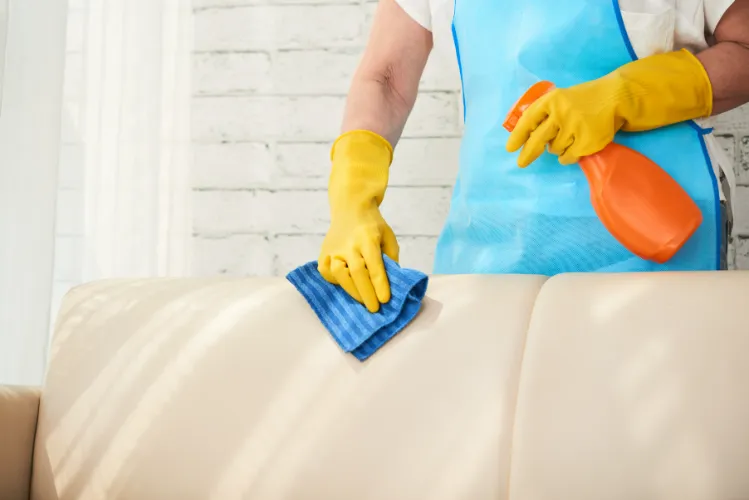

Your leather sofa looked soft and beautiful when it was new. After some time, the colour may start to fade. Dust and dirt can also build up on the arms and seats. This is normal and happens to most leather sofas over time. The good news is that it is easy to fix.
Leather is a natural material, so it can be affected by body oils, dust, and sunlight. Regular care helps keep it clean and looking good for years. You do not need expensive products or heavy scrubbing. The right cleaning method, gentle products, and a simple routine are enough.
This guide by Yalla Upholstery explains each step in a clear way. You will learn which products to use, what to avoid, and how to remove stains safely. Let us get started.
Why Leather Furniture Gets Dirty And Dull

Leather furniture is often one of the most used items in a home. People sit, lean, and relax on it every day. Over time, each use leaves dirt and oils on the surface.
Your skin naturally produces oils when you sit on leather upholstery. These oils slowly soak into the material and create a thin layer on the surface. Over time, this layer can make the leather lose its shine and look less clean. Hair products and hand lotions can add more oils to the surface and cause further buildup.
Dust can settle into the small patterns of the leather and around the seams. When it mixes with natural oils, it creates a layer of grime. This is why leather furniture cleaning is so important. Each time someone sits on the furniture, this grime can rub against the leather and slowly wear down the surface.
Sunlight can also damage leather over time. It may fade the colour and make the surface dry. Pets can leave behind fur, scratches, and occasional messes. Food and drink spills are also common in many homes. These things happen regularly, and most of them can be cleaned easily.
The Benefits Of Cleaning Leather Furniture

Cleaning does more than make leather look better. It also helps protect the material and keep it in good condition. Think of it as regular care, just like maintaining a wooden table.
When oil and dust are cleaned away regularly, they do not have time to build up. This helps keep the surface soft and flexible. Clean leather also absorbs conditioner more evenly, which helps it stay smooth and supple.
Here is what regular care can do:
- Helps prevent cracking and colour fading
- Removes body oils before they become difficult to clean
- Reduces pet and food odours from building up
- Helps conditioner absorb evenly across the surface
- Maintains the value of quality furniture
A leather couch that does not get regular care may begin to crack after a few years. A couch that is cleaned and maintained often can stay in good condition for ten years or more. A little maintenance can make a big difference over time.
Common Myths About Cleaning Leather

There is a lot of incorrect advice online, and some of it can damage your furniture. Let us look at some of the most upholstery fabric myths.
Myth: Strong cleaners work best. This is not true and can be harmful. Harsh cleaning products can damage leather over time. Bleach and ammonia can weaken the surface fibres. They may remove colour and make the hide dry and brittle.
Myth: More pressure cleans better. Scrubbing hard does not remove dirt more effectively. Instead, it can push grime deeper into the leather and damage the finish. Gentle and steady cleaning works much better.
Myth: Water always ruins leather. A small amount of water is usually safe for most sealed leather. The problem comes when the leather becomes too wet. Use a damp cloth instead of a soaking wet one.
Myth: Any soap will work. Some mild soaps can be used in small amounts on certain types of leather. However, a product made for leather is usually the safer choice for regular cleaning. Always know the type of hide before you begin.
How To Identify Your Leather Type

Not every type of leather should be cleaned the same way. Using the wrong cleaning method on the wrong leather can cause permanent damage. That is why it is important to identify your furniture before you start cleaning.
Many sofas have a small label with a cleaning code. The letters on this leather care tag tell you which cleaning methods are safe. “W” means water-based cleaners can be used. “S” means that only solvent-based cleaners are safe, dry cleaning upholstery and water should be avoided. “X” means you should only brush or vacuum the surface and avoid all liquid cleaners.
If your sofa does not have a tag, try to identify it using one of these common leather types.
Protected Or Pigmented Leather
This is the most common leather upholstery fabrics found in family homes. It has a protective coating that helps resist stains and spills. The surface usually feels smooth and slightly firm. It can usually handle water and mild cleaning products without problems.
Aniline And Semi-Aniline Leather
Aniline leather does not have a protective coating. It feels very soft and natural, and the grain is clearly visible. It looks attractive but can stain easily. Semi-aniline leather has a light protective layer, which gives it some extra protection against stains.
Nubuck And Suede
These types of leather have a soft, brushed texture with a velvety feel. They can mark and stain very easily and do not react well to liquids. Avoid wet cleaning products on these surfaces. A soft brush and a dry cloth are usually the safest options.
Tools And Materials You Will Need

Using the right tools makes cleaning easier and helps protect your leather upholstery. Most of these items are already available in many homes. Gather everything before you begin.
A vacuum with a soft brush attachment is very useful. It removes loose dust without damaging the surface. For wiping, use a soft microfibre cloth. It is gentle on leather, does not leave lint behind, and dries quickly.
Keep a small bowl of warm water nearby. You should also have a mild, pH-neutral soap ready if needed. Prepare your leather cleaner and conditioner as well, since conditioning is an important final step.
Here is your basic kit:
- Vacuum with a soft brush attachment
- Two soft, lint-free cloths
- A bowl of warm water
- Mild pH-neutral soap
- Leather cleaner and conditioner
Avoid using baby wipes, all-purpose cleaning sprays, or stiff brushes. These products may seem convenient, but they can slowly damage the hide and affect its appearance over time.
Quick Leather Cleaning Overview Table
This table gives you a simple summary of the whole cleaning process. It shows the best way to clean leather in a quick and easy format. You can read the detailed steps below whenever you are ready.
| Skill level | Easy and beginner-friendly |
| Time needed | 30 to 45 minutes |
| Tools | Vacuum, soft cloths, bowl |
| Products | Mild soap, cleaner, conditioner |
| How often | Wipe weekly, deep clean every 1 to 3 months |
| Golden rule | Always test a hidden spot first |
Keep this table nearby as a simple checklist while cleaning. Now, let us go through the cleaning process step by step.
Main Methods To Clean Leather Furniture

There are three trusted methods to choose from. The best one depends on your type of leather and how dirty it is.
Leather Cleaner & Water
The first method uses a simple mix of leather cleaner and water. This works well for most protected hides. It removes oil and dust without damaging the finish. Most leather care brands recommend this method.
pH-Neutral Soap & Water
The second method uses a pH-neutral soap and water blend. A few drops of mild soap in warm water work well. This is a safe home option for daily grime. Keep the mixture light and avoid making it too soapy.
Cleaner & Conditioner in One
The third method uses a conditioner with a cleaning step built in. These products clean and protect in one pass. They cost a little more but can save time during routine care.
Note: For tough or delicate hides, a professional cleaning service may be the safest option. We cover that later in the guide.
For now, start with the gentlest method that works for your leather.
How To Clean Leather Furniture Step By Step
This is the main cleaning routine. Follow these steps to get clean and even results.
Step 1: Check The Care Code

Start by finding the cleaning code on your sofa. This code tells you whether to use a water-based cleaner or a solvent cleaner. Taking a minute to check it can help you avoid costly mistakes.
Step 2: Dust & Vacuum First

Use a vacuum with a soft brush attachment to clean the entire surface. Make sure to reach into the seams and folds. Dust and dirt can scratch the leather during cleaning if left behind. Remove them before using any liquid products.
Step 3: Test On A Hidden Area

Choose a small hidden area, such as the back or bottom of the sofa. Apply a small amount of cleaner and wait a few minutes. Check for any colour change or damage. This simple test helps protect the visible areas of your furniture.
Step 4: Clean Gently In Sections

Dampen a soft cloth with your chosen cleaning solution. Squeeze out any extra liquid before you start. Clean one small section at a time using gentle circular motions. As the cloth collects dirt, rinse it and continue cleaning.
Step 5: Dry & Condition

Wipe the surface with a clean, dry cloth. Let the furniture dry naturally and keep it away from direct heat. Once it is fully dry, apply a thin layer of conditioner. Use a fresh cloth to remove any excess product and leave the surface looking clean and smooth.
How To Remove Common Stains From Leather Furniture

Spills and stains are common velvet upholstery cleaning in every home. The key is to clean them quickly and use gentle methods. Below are safe ways to remove stains from a leather sofa. These methods usually work best when the stain is still fresh.
Food & Drink Spills
Blot the spill immediately with a dry cloth. Avoid rubbing, as this can spread the stain. Mix a drop of mild soap into warm water and gently wipe the area. Finish by drying the surface thoroughly.
Grease & Oil Marks
Do not use water on grease or oil stains. Instead, sprinkle baking soda or cornstarch over the affected area. Leave it for a few hours so it can absorb the oil. Brush away the powder and wipe the area clean.
Wax & Chewing Gum
Wax and chewing gum are easier to remove when they are cold. Place an ice pack on the spot and wait until the material hardens. Carefully lift it away using a blunt object. A plastic spoon or card works well for this step. Finish by wiping the area with a soft, dry cloth.
Ink & Dye Transfer
Ink is one of the most difficult stains to remove from leather. Dip a cotton bud into a small amount of rubbing alcohol. Gently touch only the stained area and avoid the surrounding leather. Work from the outside edge toward the centre to help prevent the stain from spreading.
Pet Stains & Smells
Blot any liquid as soon as possible with a clean cloth. Wash the area gently using mild soap and water. If an odour remains, use an enzyme-based pet cleaner. These products help remove the smell by breaking down the source of the odour.
Mould & Mildew
Mix equal amounts of water and white vinegar. Dampen a cloth with the solution and wipe the affected area. Dry the leather completely after cleaning. Keeping the room well ventilated can help stop mould from returning.
Hairspray On A Leather Chair
Hairspray can leave a sticky residue on leather. Dampen a cloth with mild soapy water and gently wipe the area. Then use a clean, damp cloth to remove any remaining soap. Dry the surface completely when finished.
Musty Smell From Storage
Leather furniture stored for a long time can develop a damp smell. Wipe the surface with a mixture of water and vinegar. Allow the furniture to air out for a day or two. Once the smell is gone, apply conditioner to help refresh the hide.
How To Care For Leather Furniture Every Day

Simple leather furniture care between deep cleans helps keep it clean and looking fresh upholstery care tips. Small weekly care steps are just as important as deep cleaning.
Wipe the surface with a dry cloth once a week. This removes dust before it settles into the grain. Try to keep your sofa away from direct sunlight. It is also best to keep it away from radiators and heat vents.
One of the most important steps is regular conditioning. Many people forget this part. Apply a leather conditioner every three to six months. Conditioner helps replace the natural oils that leather loses over time. This keeps the surface soft and helps prevent cracks.
Apply it using these simple steps:
- Clean the hide first and allow it to dry completely
- Apply a thin and even layer of conditioner
- Leave it on the surface for a few minutes
- Buff away any excess with a clean cloth
This simple routine can help your furniture stay in good condition for many years.
Can You Use Shoe Polish On Leather Furniture?

This is a common question, and the answer requires some caution. Many people ask if shoe polish on leather furniture can restore faded colour. In most situations, it is not recommended.
Shoe polish is designed for shoes, not for soft leather furniture. Many products contain strong waxes and solvents that can damage the surface. They may leave stains, create a sticky layer, or transfer colour onto clothing.
For small scratches or scuff marks, it is better to use a leather repair product made for furniture. These products are designed to match the colour, protect the surface, and help maintain the condition of the leather without causing damage.
How To Choose The Right Leather Cleaner

There are many products available in stores. Choosing the right one helps you find the best leather cleaner for your type of hide. Not every cleaner is suitable for every type of leather.
The most important thing to look for is a pH-neutral formula. These cleaners are gentle and work with the leather’s natural balance. Avoid products that contain bleach, ammonia, or strong solvents. These ingredients can remove colour and dry out the surface.
Many trusted leather cleaners and cleaner-conditioner products are good options. A quality cleaner should remove dirt and grime without leaving any residue behind. After drying, the surface should feel clean, not greasy or sticky.
If you prefer a simple home solution, a few drops of mild soap mixed with warm water can work well on most sealed hides. Before using any product, always read the label to make sure it is suitable for your leather.
Mistakes To Avoid When Cleaning Leather

Some cleaning activities can damage leather without you realizing it. Knowing the common mistakes to avoid can help protect your sofa and keep it looking its best.
The most common mistakes are simple to avoid:
- Scrubbing too hard: This can scratch the finish, so always use gentle strokes.
- Using too much water: Excess moisture can stain the hide, so keep cloths damp rather than wet.
- Skipping the patch test: Testing a hidden area first can prevent damage to the entire sofa.
- Using harsh cleaners: Products with bleach or ammonia can break down the leather surface over time.
- Not conditioning the leather: Even clean leather can dry out and crack without regular conditioning.
- Cleaning in direct sunlight: Heat can cause cleaning products to dry too quickly and may affect the results.
Cleaning leather regularly makes it easier to care for. Pay attention to how the surface responds and adjust your cleaning method when needed. Each cleaning session helps you learn more about your furniture. Over time, the process becomes simple and familiar.
How Often Should You Clean Leather Furniture?

A simple cleaning routine makes leather care easier. So, how often should you clean a leather sofa? It depends on your home and how often the furniture is used.
Wipe the surface with a dry cloth every week to remove dust. Do a light clean once a month to remove everyday dirt and oils. Plan a deep clean every one to three months. If you have kids or pets, you may need to clean it more often.
Keeping to this routine makes cleaning easier and faster. If you leave it too long between cleans, dirt and grime can be more difficult to remove.
When To Call A Professional
Some cleaning issues need professional help. Deep stains, large mould patches, or damaged seams are usually best handled by an expert. Antique furniture and delicate hides can also benefit from professional leather cleaning.
A professional has the right products, tools, and skills to deal with difficult cleaning professional upholstery services jobs. It is a good idea to call an expert if the leather is valuable, delicate, or badly damaged.
Our Own Research On Cleaning Leather Furniture

We tested several cleaning methods on different types of hides and stains. The results showed a clear pattern. Gentle cleaning methods gave the best results in most cases.
We also asked people which cleaning method they use most often. A simple homemade leather cleaner made with mild soap and water was the most popular choice. It is affordable, safe, and easy to prepare. Dedicated leather cleaners were the next most common option, especially for tougher cleaning jobs.
| Cleaning Method | Times Chosen |
| Mild soap and water | 35% |
| Dedicated leather cleaner | 25% |
| Conditioner with a cleaning step | 20% |
| Vinegar and water mix | 12% |
| Professional service | 8% |
The message is simple. Most stains and marks can be removed with a soft cloth and a gentle cleaning method. In most situations, there is no need to use strong or harsh products.
Frequently Asked Questions | FAQ’s
Here are short and simple answers to some of the most common questions about leather furniture care.
How do I remove pen ink from a leather sofa?
To remove pen ink from a leather sofa, use a cotton bud with a small amount of rubbing alcohol. Gently dab the stain and work from the outside edge toward the centre. Once the ink is gone, wipe the area clean and let it dry.
Can I use baby wipes on leather?
It is best not to use baby wipes on leather. Many wipes contain alcohol and other ingredients that can dry out the hide. A damp cloth with mild soap is usually a safer choice.
How do I get rid of a leather smell?
Let the furniture air out for a day or two. You can also wipe it with a mixture of vinegar and water. After that, apply conditioner to help freshen the surface.
Is dish soap safe for leather?
A small amount of dish soap is usually safe for most sealed hides. Mix only a drop with warm water. Do not pour it directly onto the leather or allow the surface to become soaked.
How do I stop leather from cracking?
Keep leather furniture away from direct sunlight and heat sources. Remove dust regularly with a dry cloth. Applying conditioner every three to six months helps keep the leather moisturized and reduces the risk of cracking.
Can I use coconut oil to condition leather?
It is usually best to avoid coconut oil. It can darken the hide and may leave a sticky surface over time. A leather conditioner made for furniture is a safer and more effective option.
Why does my leather sofa feel sticky?
A sticky surface is often caused by a buildup of oils or cleaning products. Wipe the area with mild soapy water using a damp cloth. Dry it thoroughly, and the sticky feeling should improve.
Can I clean leather furniture with a steam cleaner?
No, steam cleaners are not recommended for leather furniture. The heat and moisture can dry out the hide and may lead to cracks. A damp cloth and a gentle cleaner are much safer choices.
Final Thoughts
Taking care of leather furniture is easier than many people think. A few simple habits can keep it looking clean and in good condition. Clean gently, condition regularly, and deal with spills as soon as they happen.
Keep these tips in mind:
- Check your hide type before cleaning
- Test a hidden area before using any product
- Use mild cleaners and a soft cloth
- Avoid bleach, ammonia, and hard scrubbing
- Apply conditioner every few months to help prevent cracks
With regular care, your furniture can stay soft, attractive, and comfortable for years. A small amount of maintenance today can help protect your investment for the long term.