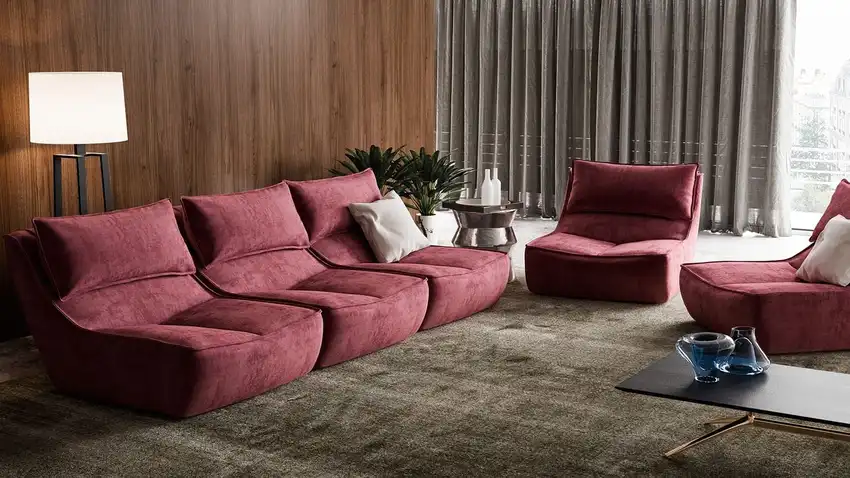

Quick Answer: Mix 1/4 cup of mild dish soap and 1 gallon of warm water in a bucket. Vacuum loose dirt off the cushions first. Scrub the solution into the fabric with a soft-bristle brush, rinse with a garden hose, and stand the cushions on their sides to air-dry in the sun. For a full set of dirty cushions, a pressure washer on its lowest setting with an outdoor cleaning concentrate cleans faster and deeper.
That’s the short version. The full version by Upholstery Dubai team below, covers every fabric type, every stain, and every furniture material – plus the mistakes that ruin cushions and the habits that make them last twice as long. I’ve cleaned everything from mildew-speckled Sunbrella cushions to rusted wrought iron chairs, and I’ll tell you exactly what works and what wastes your time.
What You’ll Need Before You Start

Gather your supplies first. Nothing kills momentum like scrubbing half a cushion, then hunting for vinegar with wet hands.
Basic cleaning kit:
- Soft-bristle scrub brush (a car-wash brush works great)
- Old toothbrush for seams and zippers
- Two buckets (one for cleaner, one for rinse water)
- Spray bottle
- Garden hose with a spray nozzle
- Vacuum with an upholstery attachment
- Microfiber cloths and clean towels
- Rubber gloves
Cleaning agents from your pantry:
- Mild dish soap (Dawn or similar)
- White distilled vinegar
- Baking soda
- Cornstarch
- Hydrogen peroxide
- Borax (optional, helpful for tough grime)
Optional but worth it:
- Electric pressure washer (1,600–2,000 PSI is plenty)
- Outdoor cleaner concentrate for pressure washers
- Fabric protectant spray for after the cleaning
You probably own most of this already. That’s the point – you rarely need special products to get outdoor cushions clean.
How to Clean Outdoor Cushions Step by Step
This method works on most outdoor cushions Dubai, including ones with covers that don’t come off. Plan for a warm, sunny morning so the cushions can dry fully by evening.
Step 1: Check the Care Tag

Flip the cushion over and read the tag. Some covers zip off and go straight into the washing machine on a gentle, cold cycle. If yours do, you just saved an hour. Air-dry the covers and slide them back on while slightly damp so they stretch back to shape. Never put them in the dryer – heat shrinks them.
Step 2: Vacuum Off Loose Dirt
 Use the upholstery attachment and vacuum both sides, the seams, and the piping. Skipping this step turns surface dust into muddy streaks the moment water hits it. No vacuum? Smack the cushions together outside or brush them off with a dry brush.
Step 3: Mix Your Cleaning Solution

In a bucket, combine:
- 1/4 cup mild dish soap
- 1 gallon warm water
- Optional: 1 cup white vinegar for extra grime-cutting and mildew-fighting power
Vinegar helps if your cushions smell musty or show light mildew spots. Skip it if the fabric tag warns against acids.
Step 4: Spot-Test First

Dab the solution on a hidden spot, like the underside of a cushion. Wait five minutes. If the color holds and the fabric looks fine, keep going. This 5-minute test has saved me from bleaching a striped cushion into a tie-dye disaster.
Step 5: Scrub From Top to Bottom

Dip your soft-bristle brush in the solution and scrub the whole cushion, not just the dirty spots. Cleaning only one area leaves a clean patch that makes the rest look worse. Work the brush into seams and around the piping – grime hides there. Use the toothbrush around zippers.
Step 6: Rinse Thoroughly

Hose the cushion down until the water runs clear and no suds remain. Leftover soap attracts dirt and leaves a stiff, crunchy film. This step takes longer than you expect. Rinse, squeeze, rinse again.
Step 7: Press Out Water and Air-Dry

Press down on the cushion (don’t wring it) to push out excess water. Then stand it on its side in the sun. Standing it upright lets water drain out of the bottom seam instead of pooling inside the foam. Sunlight also kills leftover bacteria and mildew spores. Flip the cushion after a few hours and check that the core dries fully – a damp core grows mold within days.
Step 8: Apply Fabric Protectant (Optional)

Once the cushions are bone-dry, spray them with an outdoor fabric protectant. It repels water and stains, which makes the next cleaning much easier. One can covers a full seating set.
Total time: About 20 minutes of active work per cushion, plus a day of drying.
Best Cleaning Solutions for Different Cushion Fabrics

Not all outdoor fabric handles the same cleaners. Match your solution to your fabric and you’ll never damage a cushion.
Solution-Dyed Acrylic (Sunbrella and Similar)
This is the tough, fade-resistant fabric on most quality outdoor cushions. The color runs all the way through the fiber, so it tolerates strong cleaners.
- Everyday cleaning: Dish soap and water.
- Deep cleaning: Sunbrella-type fabrics can handle a diluted bleach solution – 1 cup bleach plus 1/4 cup mild soap per gallon of water. Scrub, let it sit 5–10 minutes, and rinse very well.
- Avoid: Nothing much. This fabric is the workhorse of the patio world.
Polyester and Olefin
These are the mid-range fabrics on most big-box store cushions. The color sits closer to the surface, so treat them more gently.
- Everyday cleaning: Dish soap and water.
- Deep cleaning: Add 1 cup white vinegar per gallon of soapy water.
- Avoid: Bleach. It can strip color fast. Always spot-test.
Canvas and Cotton Blends
Natural fibers absorb water and stains more easily.
- Everyday cleaning: Mild soap, minimal water, gentle scrubbing.
- Deep cleaning: A baking soda paste on stains, then a soap wash.
- Avoid: Soaking them. Wet natural fibers take forever to dry and invite mildew.
Vinyl and PVC Mesh (Sling Chairs)
The easiest of the bunch.
- Everyday cleaning: Wipe with an all-purpose cleaner or soapy water.
- Deep cleaning: A vinegar-water spray handles mildew in the weave.
- Avoid: Abrasive scrub pads, which scratch and dull the surface.
How to Remove Stains, Mold, Mildew, and Odors
General cleaning handles dirt. Specific stains need specific fixes. Here’s the playbook.
Mold and Mildew

Those black or gray speckles show up wherever moisture lingers. Vinegar kills the fungus; sunlight finishes the job.
- Brush off loose mold with a dry cloth. Do this away from the patio so spores don’t resettle. Wear a mask if the growth is heavy.
- Mix equal parts white vinegar and water in a spray bottle.
- Saturate the affected area and let it sit 15–30 minutes.
- Scrub with a soft brush.
- Rinse well and dry the cushion in direct sun.
For stubborn mildew stains on bleach-safe fabric (like solution-dyed acrylic), use the diluted bleach solution from the fabric section above. Never mix bleach and vinegar – the combination releases toxic chlorine gas. Use one or the other, and rinse fully in between if you switch.
Oil, Grease, and Sunscreen Stains

Water spreads oil around. Powder pulls it out.
- Blot (don’t rub) fresh oil with a paper towel.
- Cover the stain with a thick layer of baking soda or cornstarch.
- Wait 15–30 minutes while the powder absorbs the oil.
- Scrape off the powder with a spoon and vacuum the residue.
- Repeat with fresh powder if the stain still looks dark.
- Finish by scrubbing with dish soap and water, then rinse.
Dish soap is your best friend here – it’s designed to break down grease.
Bird Droppings

Act fast. Droppings are acidic and can etch fabric and finishes.
- Lift off as much as possible with a paper towel. Don’t smear it.
- Spray with a mix of 1 teaspoon dish soap, 1 teaspoon borax, and 1 quart warm water.
- Let it soak a few minutes, then blot and gently scrub.
- Rinse and air-dry.
Grass Stains

- Mix a tablespoon of baking soda with a few drops of hydrogen peroxide to make a paste.
- Spread the paste on the stain and wait 30 minutes.
- Scrub gently, wait 10 more minutes, then rinse.
Spot-test first – peroxide can lighten some fabrics.
Tree Sap

- Press a bag of ice cubes on the sap until it hardens.
- Scrape it off with a spoon or butter knife.
- Dab the leftover residue with a cloth dampened in rubbing alcohol.
- Wash the spot with soapy water and rinse.
Wine, Juice, and Food Spills

Blot immediately with a dry cloth, then flush with cold water from the back of the fabric if possible. Follow with soapy water and rinse. The faster you act, the less likely the spill becomes a permanent stain.
Musty Odors

Smell without visible mildew? Sprinkle baking soda generously over the dry cushion, let it sit for several hours (overnight is better), then vacuum it off. Baking soda absorbs odors trapped in the foam. Finish with a few hours in direct sunlight – UV light neutralizes the bacteria causing the smell.
DIY Cleaning Methods Using Household Items
You don’t need a cabinet full of specialty products. These pantry staples cover almost every job:
Dish soap cuts grease and lifts general dirt. It’s gentle enough for every outdoor fabric. This is your default cleaner.
White vinegar kills mold and mildew, cuts musty smells, and dissolves hard-water spots on glass tabletops. Use it 1:1 with water in a spray bottle.
Baking soda absorbs oil and odors. Make it a paste for scrubbing power or sprinkle it dry to deodorize.
Hydrogen peroxide brightens organic stains like grass and food. Think of it as gentle bleach. Always spot-test.
Cornstarch pulls oil from fabric just like baking soda. Use whichever you have.
Rubbing alcohol dissolves sap, adhesive, and ink spots.
Lemon juice + salt makes a natural scrub for rust stains on fabric. Apply, let it sit in the sun for an hour, then rinse.
A note from experience: fancier isn’t better. I once tested a borax-and-steamer routine against plain dish soap. The dish soap won on results per minute of effort. Save the complicated recipes for stains that actually need them.
How to Clean Different Types of Patio Furniture
Cushions are half the job. The frames need attention too, and each material has its own rules.
Wood Furniture (Teak, Eucalyptus, Acacia, Cedar)
- Mix mild dish soap with warm water.
- Scrub with the grain using a soft brush.
- Rinse with a hose and towel off standing water.
- Let it dry fully, then apply teak oil or a wood sealer once or twice a year.
For gray, weathered teak, use a dedicated teak cleaner or a light sanding to bring back the honey color – or leave the silver patina alone, which many people prefer. If you pressure wash wood, use the lowest setting and keep the wand moving. High pressure gouges soft wood and raises the grain.
Metal Furniture (Aluminum, Steel, Wrought Iron)
- Wash with dish soap, warm water, and a sponge or brush.
- Rub rust spots with fine steel wool or a wire brush.
- Rinse and dry completely – water sitting on steel starts new rust.
- Touch up bare spots with rust-inhibiting primer and paint.
- Apply a coat of automotive wax once a season. It sounds odd, but wax shields the finish from moisture and makes future cleanups a wipe-down.
Aluminum won’t rust, but it can oxidize into a chalky film. A 1:1 vinegar-water wipe removes it.
Plastic and Resin Furniture
The easiest material on the patio.
- Spray with all-purpose cleaner or wash with soapy water.
- For stubborn grime, scrub with a baking soda paste – it’s abrasive enough to clean but won’t scratch.
- Rinse and dry.
For white plastic that’s yellowed, wipe it with a vinegar-water solution and let it sit in the shade, not the sun, while it works. Avoid abrasive scouring pads and undiluted bleach; both dull the surface and make it attract dirt faster.
Wicker and Rattan Furniture
The weave traps dust, so start dry.
- Vacuum with a brush attachment, or blow out debris with a leaf blower or compressed air.
- Wash gently with soapy water and a soft brush. Use a toothbrush for tight weaves.
- Don’t soak natural wicker – too much water makes the fibers swell and sag.
- Rinse lightly and dry fast in a breezy, shaded spot.
Synthetic resin wicker is tougher. Hose it down and scrub freely.
Glass Tabletops
Spray glass cleaner or vinegar-water and wipe with a microfiber cloth. Clean the underside too – that’s where pollen film and spider webs collect. Clean the frame according to its material.
Mesh and Sling Furniture
Wash with soapy water and a soft brush, rinse, and let it drip-dry. Mildew in the mesh weave responds well to the vinegar spray.
Can You Pressure Wash Outdoor Cushions and Furniture?
Yes – carefully. A pressure washer is the fastest way to clean a big set, and it’s my go-to for the twice-a-year deep clean. But it can shred fabric and gouge wood if you’re careless.
Follow these rules:
- Use the lowest pressure setting and a wide-angle tip (40° or 65°).
- Keep the nozzle at least 2 feet from the surface. Start farther away and move in slowly.
- Sweep side to side. Never hold the spray on one spot.
- Secure loose cushions so the spray doesn’t send them flying.
- Add an outdoor cleaner concentrate through the detergent reservoir, let it sit 3–5 minutes without drying, then rinse top to bottom.
Skip the pressure washer entirely on natural wicker, soft woods on high settings, and any cushion with worn or fraying fabric.
Common Mistakes to Avoid
I’ve made most of these so you don’t have to:
Machine-drying cushion covers. They shrink and never zip closed again. Always air-dry.
Using bleach on everything. Bleach is safe on solution-dyed acrylic but strips color from polyester and olefin. Know your fabric first.
Mixing bleach and vinegar. This creates toxic chlorine gas. Never combine them.
Skipping the rinse. Soap residue stiffens fabric and pulls in new dirt. Rinse until the water runs completely clear.
Laying wet cushions flat. Water pools inside and breeds mold in the foam. Always dry cushions standing on their sides.
Scrubbing stains inward. Rubbing pushes oil and grime deeper. Blot spills, and scrub from the outside edge of a stain toward the center.
Storing cushions before they’re fully dry. Even slightly damp cushions come out of storage smelling like a locker room. Give them a full sunny day, minimum.
Blasting wood or fabric with high pressure. More PSI is not more clean. It’s just more damage.
Ignoring the care tag. Thirty seconds of reading can save a $60 cushion.
Maintenance Tips to Make Outdoor Furniture Last Longer
Cleaning fixes problems. Maintenance prevents them. A few small habits can double the life of your patio set.
Wipe up spills immediately. A fresh spill takes 30 seconds. A set stain takes 30 minutes – or never comes out.
Brush off cushions weekly. A quick sweep keeps dirt from grinding into the fibers every time someone sits down.
Shake out cushions after rain. Then stand them on edge to drain. Don’t let them sit soggy on the frame.
Use furniture covers. Fitted, vented covers keep off rain, pollen, and bird droppings. Vents matter – unvented covers trap condensation and grow mildew underneath.
Rotate and flip cushions monthly. This evens out sun fading and wear, the same way you rotate a mattress.
Reapply fabric protectant every season. One spray session in spring makes every cleanup afterward easier.
Seal wood yearly and wax metal seasonally. Ten minutes of prevention beats a weekend of restoration.
Keep furniture out of sprinkler range. Constant wetting is the #1 cause of the mildew I see on cushions. Adjust the sprinkler head; it’s free.
Seasonal Cleaning and Storage Tips
Outdoor furniture care follows the calendar. Here’s the rhythm that works.
Spring: The Wake-Up Clean
Pull everything out of storage and inspect it. Deep clean cushions and frames before the first barbecue, even if they look okay – winter storage dust and any hidden mildew come off much easier now than in July. Apply fabric protectant and wood sealer while everything is clean and dry.
Summer: Quick Upkeep
Spot-clean spills as they happen. Brush cushions weekly. Hose down frames monthly if pollen or dust builds up. That’s it – summer is for using the furniture, not babying it.
Fall: The Deep Clean Before Storage
This is the most important cleaning of the year. Dirt, body oils, and food residue left on cushions over winter feed mold and attract pests. Deep clean everything, dry it completely, and then store it.
Winter: Smart Storage
- Store cushions indoors in a dry spot – a garage shelf, basement, closet, or a weatherproof deck box.
- Store them loosely, not vacuum-packed or crushed. Compressed foam doesn’t bounce back.
- Never store cushions in sealed plastic bags. Trapped humidity breeds mildew. Use breathable storage bags or loose covers instead.
- Stack frames under covers or bring lightweight pieces inside. If heavy furniture stays out, tilt chairs against the table so water drains off the seats.
- Toss a few silica gel packets or a moisture absorber into the deck box for insurance.
How often should you deep clean? Twice a year minimum: once in spring before the season starts, and once in fall before storage. Add a mid-summer clean if your patio sits under trees or gets heavy use.
Frequently Asked Questions
What is the best homemade cleaner for outdoor cushions?
Mix 1/4 cup mild dish soap with 1 gallon of warm water. Add 1 cup of white vinegar if you’re fighting mildew or odors. This simple mix handles 90% of outdoor cushion cleaning jobs safely on every fabric type.
How do you get mildew out of outdoor cushions without bleach?
Spray the spots with equal parts white vinegar and water, wait 15–30 minutes, scrub with a soft brush, and rinse. Then dry the cushions in direct sunlight – UV rays kill the remaining spores. A baking soda paste works as a gentler backup for delicate fabrics.
Can outdoor cushion covers go in the washing machine?
Only if the care tag says so. Removable covers usually wash fine on a gentle, cold cycle with mild detergent. Always air-dry them – dryer heat shrinks covers so they no longer fit. Put slightly damp covers back on the foam so they stretch to shape.
Can you pressure wash patio cushions?
Yes, on the lowest pressure setting with a wide spray tip held at least 2 feet away. Keep the wand moving in sweeping motions. High pressure or a narrow tip will tear the fabric and force water deep into the foam.
How often should outdoor cushions be cleaned?
Deep clean them at least twice a year – in spring before the season and in fall before storage. Spot-clean spills right away and brush off loose dirt weekly during heavy-use months.
Why do my outdoor cushions smell after rain?
Moisture trapped in the foam feeds bacteria and mildew, which cause the musty smell. Stand cushions on their sides after rain so they drain and dry. To fix an existing odor, sprinkle baking soda on the dry cushions overnight, vacuum it off, and let them sit in full sun for a few hours.
Is vinegar safe for all outdoor fabrics?
Vinegar is safe on most outdoor fabrics, including acrylic, polyester, and olefin. Skip it on natural stone tabletops (it etches them) and spot-test on canvas or printed fabrics first. Never combine vinegar with bleach.
How do I keep white plastic patio furniture from yellowing?
Clean it regularly with soapy water, keep it covered or shaded when possible, and apply a coat of automotive wax after cleaning. To reverse existing yellowing, wipe the surface with a vinegar-water solution or a baking soda paste, then rinse.
Should I store patio furniture cushions in plastic bags?
No – sealed plastic traps humidity and grows mildew. Store clean, fully dry cushions in breathable fabric storage bags or loosely covered in a dry indoor space like a garage, basement, or deck box.
The Bottom Line
Clean outdoor cushions come down to three things: dish soap and a soft brush for regular cleaning, vinegar for mildew, and complete drying every single time. Match your cleaner to your fabric, treat stains fast, and give everything a deep clean in spring and fall. Do that, and your patio set will look good and last years past its warranty – no expensive products or professional cleaning required.