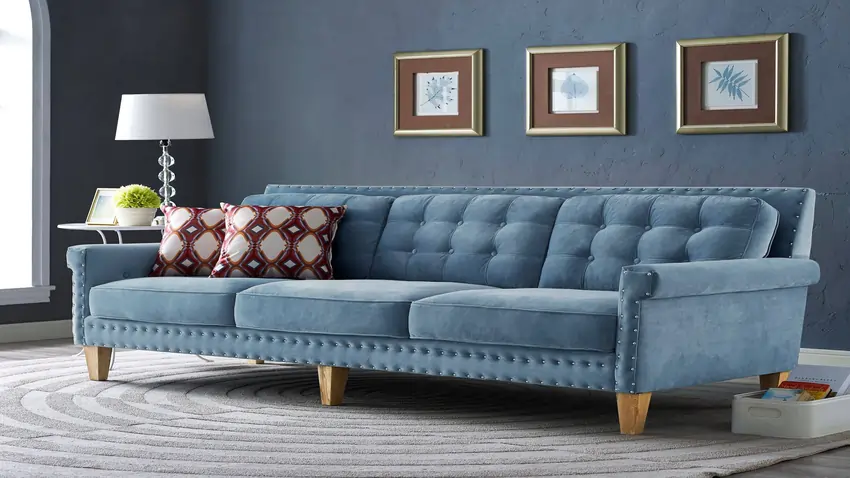

Your sofa and chair upholstery get dirty every day. Body oils, food crumbs, pet hair, and spills all damage the fabric over time. You do not need to call a professional every few months. With the right tools and simple steps, you can clean upholstery at home. The results will look just as good as a professional clean.
This guide by Yalla Upholstery covers everything from reading your cleaning tag to removing tough stains. We also share the mistakes that ruin furniture so you can avoid them.
What You Need Before You Start
Gather your supplies before you begin. This saves time and keeps the process smooth.
For fabric sofas and chairs you will need a vacuum with a brush and crevice attachment. You also need two or three clean white microfiber cloths. Keep a soft bristle brush, a spray bottle, mild dish soap, white vinegar, baking soda, and warm distilled water on hand.
For leather upholstered furniture, use a dedicated conditioner and pH balanced leather soap. For dry clean only fabrics, get a water free dry cleaning solvent from the store.
Always use white cloths. Colored cloths can transfer dye onto damp fabric. That makes things worse.
Step One: Read the Cleaning Code Tag

Most people skip this step. It is the reason so many sofas end up with water rings and ruined fabric. Every upholstered furniture piece has a cleaning code tag. Look under the seat cushions, along the base, or underneath the frame.
There are five cleaning codes. Each one tells you which products are safe.
W (Water Safe) means you can use water based solutions like diluted dish soap. This code is on most polyester, nylon, and acrylic upholstery fabrics. It is the easiest fabric to clean at home.
S (Solvent Only) means water will leave a permanent ring on the fabric. Use only a dry cleaning solvent. Work in a well ventilated area. For tough stains on S code fabric, call a professional.
WS or W/S (Water or Solvent) means both methods are safe. Always start with the gentler option. Test first.
X (Vacuum Only) means do not apply any liquid at all. Only vacuum or lightly brush this fabric. Any home cleaning product can cause staining and shrinking.
D (Dry Clean Only) means take the piece to a professional dry cleaner. Do not attempt home cleaning.
| Cleaning Code | Meaning | Safe Cleaning Method |
| W | Water safe | Water-based cleaners |
| S | Solvent only | Dry cleaning solvent |
| WS / W-S | Water or solvent | Start with gentler option |
| X | Vacuum only | No liquids allowed |
| D | Dry clean only | Professional cleaning |
If there is no tag, treat the fabric like an S code. Test any solution on a hidden spot first.
Step Two: Vacuum Thoroughly First

Never skip vacuuming before you clean. Dust is abrasive. If you put liquid on a dusty sofa, dust particles get trapped in the fabric. This creates a dingy grey tint that is very hard to remove later.
Start at the top of the sofa back. Work your way down to the seat. Remove all cushions and vacuum every side of them. Use the crevice tool along seams and corners. Vacuum underneath where the cushions sit.
If you have pets, do a second pass with a lint roller. This lifts embedded hair the vacuum misses.
| Area | Tool | Reason |
| Sofa back & arms | Brush attachment | Removes surface dust |
| Seat cushions (all sides) | Brush + crevice | Prevents dirt buildup |
| Seams & corners | Crevice tool | Traps crumbs |
| Under cushions | Crevice tool | Hidden debris |
| Pet hair areas | Lint roller | Lifts embedded hair |
Make vacuuming a weekly habit. It prevents dirt from building up deep in the fibers.
Step Three: Spot Test Your Cleaning Solution

Always test any cleaning solution on a hidden area first. Good spots are the back corner near the floor or under a cushion. Apply a small amount of solution and let it sit for five minutes. Then blot and let it dry fully.
If you see color bleed, fading, or texture change, stop. That product is not safe for your fabric.
| Step | Action | What to Check |
| Choose spot | Hidden area | Prevent visible damage |
| Apply solution | Small amount | Avoid oversaturation |
| Wait | 5 minutes | Watch reaction |
| Blot & dry | White cloth | Check final result |
| Inspect | Fully dry | Stop if fading occurs |
Step Four: Clean the Upholstery

For Fabric Sofas and Chairs (Code W or WS)
Mix three quarters cup warm water with a quarter cup white vinegar. Add one tablespoon of mild dish soap. Put it in a spray bottle and shake gently.
Lightly mist the area you want to clean. The fabric should feel damp, not soaked. Too much water causes mold and water rings. Use a fine mist setting on your spray bottle, not a stream.
Always blot, never rub. Press a clean white cloth straight down onto the spot. Lift it straight up. You are removing moisture, not adding it. Move to a clean part of the cloth each time.
If you are cleaning a whole cushion, treat the entire surface. Do not just treat the small stain. This pushes water marks to the edges where they will not show.
Finish by blotting with a cloth dampened in plain distilled water. This removes soap residue.
| Step | What to Do | Tip |
| Mix solution | Water + vinegar + dish soap | Shake gently |
| Apply | Light mist | Fabric should feel damp |
| Blot | Press straight down | Never rub |
| Rinse | Distilled water blot | Removes residue |
| Dry | Fan or airflow | Prevents mildew |
Always clean the entire cushion, not just the stain, to avoid water marks.
For Dry Clean Only Fabric (Code S)
For Dry Clean Only Fabric (Code S), follow these expert tips to dry clean upholstery at home safely. Apply dry cleaning solvent to a clean towel. Gently brush it over dirty areas. For heavily soiled spots, use a soft bristle brush. Keep windows open for ventilation. Never spray solvent directly on the fabric. This concentrates the chemical and can leave a mark.
| Rule | Instruction |
| Application | Solvent on cloth only |
| Ventilation | Keep windows open |
| Scrubbing | Soft brush, gently |
| Warning | Never spray directly |
For Leather Sofas and Chairs
Wipe the surface with a cloth barely dampened in mild soap and distilled water. Follow right away with a dry cloth to absorb moisture. Once fully dry, apply a leather conditioner as directed.
Never use vinegar on leather. It dries out the fibers and causes cracks. Avoid baby wipes and alcohol cleaners too. They strip the protective coating.
| Step | Method | Avoid |
| Clean | Damp cloth + mild soap | Excess water |
| Dry | Soft dry cloth | Air drying only |
| Condition | Leather conditioner | Skipping this step |
| Never use | Vinegar, alcohol, wipes | Causes cracking |
For Velvet Sofas and Chairs
Velvet is very sensitive to water. Vacuum regularly with a soft brush attachment. For fresh spills, blot immediately with a dry cloth. Then use a lint free cloth lightly dipped in diluted dish soap. Let it air dry before using a handheld steamer on the full surface. Move the steamer quickly. Do not let it sit in one spot. Finish with a lint brush to lift the fibers back up.
| Care Step | Tool |
| Routine care | Soft vacuum brush |
| Fresh spills | Dry blotting |
| Light cleaning | Minimal soap + cloth |
| Fiber lift | Steamer + lint brush |
Use minimal moisture only on velvet.
Step Five: Deodorize Naturally

Even clean sofas can hold onto bad smells from food and pets. Baking soda is the best natural deodorizer. It is cheap and easy to use.
Sprinkle a generous layer over every cushion and surface. Let it sit for 15 to 30 minutes. Then vacuum it all up. For strong odors, leave the baking soda on overnight. Vacuum it in the morning.
For pet smells deep in cushions, use a UV black light first. Urine traces often spread far beyond the visible stain. Treat all affected areas, not just what you can see.
| Odor Type | Method | Time |
| Light odors | Baking soda | 15–30 minutes |
| Strong odors | Baking soda | Overnight |
| Pet urine | UV light + enzyme cleaner | As directed |
Step Six: Dry the Furniture Completely

This step is where most people go wrong. Leaving moisture inside cushions causes mold, mildew, and bad odors. Always dry furniture fully before using it again.
Turn on a fan or open windows to speed up drying. A hairdryer on a cool setting also helps. Never put cushions back before they are completely dry. Trapped moisture leads to mildew inside the foam.
Keep furniture out of direct afternoon sunlight while drying. UV rays fade fabric over time.
| Drying Method | Safe? | Notes |
| Fans | ✅ Yes | Best airflow |
| Open windows | ✅ Yes | Natural drying |
| Cool hair dryer | ✅ Yes | Low setting only |
| Direct sunlight | ❌ No | Causes fading |
| Hot air | ❌ No | Shrinks fabric |
How To Remove Specific Stains

| Stain Type | First Step | Cleaning Method |
| Red wine / coffee | Immediate blot | Soap + vinegar + cold water |
| Grease / oil | Baking soda absorb | Dish soap + cool water |
| Pet urine | Blot quickly | Enzyme cleaner |
| Old stains | Baking soda paste | Peroxide mix (test first) |
Never use steam immediately on pet stains – heat locks odor permanently.
Red Wine and Coffee Stains
Act fast. Blot the spill with a dry white cloth right away. Do not rub. Mix one tablespoon of dish soap with two cups of cold water and one tablespoon of white vinegar. Blot from the outside edge of the stain inward. This stops the stain from spreading. Rinse by blotting with plain cold water. Let it dry.
Grease and Oil Stains
Sprinkle baking soda or cornstarch generously over the grease stain. Leave it for 15 to 20 minutes to absorb the oil. Vacuum it up thoroughly. Then dab the area with a small amount of dish soap and cool water. Blot with a clean cloth and let it dry.
Pet Urine Stains and Odors
Act immediately. Blot up as much liquid as possible first. Mix one tablespoon of dish soap with two cups of cold water. Add one tablespoon of white vinegar and stir gently. Dip a microfiber cloth into the solution. Blot the stain carefully without pressing too hard.
For older stains with a strong odor, use an enzyme based pet cleaner. Urine contains uric salts and bacteria that regular cleaners cannot fully remove. The odor stays in the fabric even when the stain looks gone. Enzyme cleaners break down these compounds properly. Apply the product, wait as directed, then blot and dry.
Never use a steam cleaner right after a pet accident. Heat locks the odor permanently into the fibers.
Dried and Stubborn Stains
Make a paste with baking soda and water. Apply it to the dried stain. Leave it for 30 minutes then gently brush it off. For older pet stains with discoloration, mix 3 percent hydrogen peroxide, one teaspoon dish soap, and one tablespoon baking soda. Always patch test this first. Hydrogen peroxide can lighten some fabrics.
Common Upholstery Cleaning Mistakes To Avoid

Knowing what not to do protects your furniture.
| Mistake | Why It’s Harmful |
| Rubbing stains | Pushes stain deeper |
| Too much water | Causes mold & rings |
| Ignoring fabric code | Permanent damage |
| Hot water | Shrinks fibers |
| Bleach | Yellowing & weakening |
| Skipping vacuum | Creates muddy residue |
Rubbing instead of blotting. Rubbing pushes the stain deeper into the fibers. It also frays the fabric surface. Always blot straight down and lift straight up.
Using too much water. Excess water soaks into cushion foam and causes mold. Use a fine mist only. Two cups of diluted solution is plenty for a full cushion.
Ignoring the fabric code. code is one of the most common fabric upholstery myths that leads to furniture damage.
Using hot water on natural fibers. Cotton, linen, and other natural fibers shrink with hot water. Always use cool or lukewarm water only.
Using bleach on upholstery. Bleach causes permanent yellowing and color loss. It also breaks down fabric fibers. Never use bleach based cleaners on any upholstery.
Skipping the vacuum step. Cleaning liquid on a dusty sofa creates a muddy paste inside the fabric. Always vacuum first, every single time.
Drying with a hot hairdryer. High heat shrinks fabric and melts synthetic fibers. Use cool air or natural airflow only.
How Often Should You Clean Your Sofa and Chairs

| Frequency | Task |
| Weekly | Vacuum & rotate cushions |
| Monthly | Inspect seams |
| Every 3–6 months | Deep clean |
| Every 12–18 months | Professional cleaning |
A regular routine prevents heavy buildup Using custom sofa covers can also reduce dust accumulation and extend the life of your upholstery.
Every week: Vacuum all surfaces using the upholstery brush. Flip and rotate cushions for even wear.
Every month: Wipe down leather furniture with a slightly damp cloth. Check seams and corners for embedded dirt.
Every three to six months: Do a full deep clean using the steps above. Condition leather sofas after every deep clean.
Every 12 to 18 months: Book a professional clean. For allergy sufferers, professional cleaning every six months is better.
When To Call a Professional
| Situation | Reason |
| X or D code fabric | No safe DIY method |
| Antique or silk | Extremely delicate |
| Deep foam stains | cushion foam replacement |
| Strong pet odor | Professional enzymes |
Some situations need professional help. Call a professional if the fabric is antique or silk. Also call if the code is X or D. If a stain has soaked through to the foam padding, you may need professional extraction or cushion foam replacement services. Widespread pet odor in multiple cushions also needs professional grade enzyme treatment.
Professional cleaners match the cleaning method exactly to your fabric type. For complex issues, consider hiring professional upholstery services.
Quick Reference Cleaning Solutions by Fabric Type

General fabric (Code W): Three quarters cup warm water, quarter cup white vinegar, one tablespoon dish soap in a spray bottle.
Leather: Half cup olive oil mixed with quarter cup white vinegar. Spray lightly and buff with a soft cloth. Always follow with a leather conditioner.
Synthetic fabric like polyester or microfiber: Same water and dish soap solution. A slightly stiffer brush helps lift ground in grime safely.
Velvet: Minimal moisture only. Use a soft vacuum brush and a handheld steamer for regular care.
Final Thoughts
Cleaning upholstery like a pro is not about fancy equipment. It is about knowing your fabric and using the right approach. Check the cleaning code first. Always test before you treat. Blot instead of scrub. Dry completely before sitting back down.
A sofa that gets regular attention rarely needs emergency treatment. Vacuum weekly. Deal with spills right away. clean upholstery after moving a couple of times a year. That simple routine keeps your furniture looking great for a long time.
FAQs – How To Clean Upholstery Like A Pro
1. How often should I clean my upholstery?
Light cleaning like vacuuming should be done weekly. Deep upholstery cleaning is recommended every 6-12 months, or sooner if you have pets, kids, or frequent guests.
2. Can I clean upholstery at home without professional tools?
Yes. headboard upholstery cleaning can be done using a vacuum, soft brush, mild detergent, and clean microfiber cloths. However, professional tools provide deeper stain and odor removal.
3. What is the safest way to clean a fabric sofa?
Always check the manufacturer’s cleaning code. Use gentle cleaners, test on a hidden area first, avoid excess water, and blot stains instead of rubbing.
4. Can steam cleaning damage upholstery?
Steam cleaning is safe for many fabric sofas but can damage delicate materials like silk or velvet. Always confirm fabric compatibility before using steam.
5. How do I remove stains from sofa upholstery?
Blot the stain immediately with a clean cloth. Use a mild upholstery cleaner or a vinegar and water solution. Avoid harsh chemicals and scrubbing.
6. Is it safe to clean upholstery with baking soda?
Yes. Baking soda is effective for removing odors and light stains. Sprinkle it on the upholstery, let it sit for 15-30 minutes, then vacuum thoroughly.
7. How long does upholstery take to dry after cleaning?
Drying time typically ranges from 2 to 6 hours, depending on fabric type, humidity, and cleaning method used.
8. Can leather upholstery be cleaned the same way as fabric?
No. Leather requires special cleaners and conditioners. Using water or fabric cleaners on leather can cause cracking and discoloration.
9. What mistakes should I avoid when cleaning upholstery?
Avoid soaking the fabric, using harsh chemicals, scrubbing aggressively, and skipping spot tests. These mistakes can damage upholstery fibers.
10. When should I hire a professional upholstery cleaner?
Hire a professional if your upholstery has deep stains, Before starting any reupholstery project, it’s also useful to calculate fabric needed for upholstery accurately.