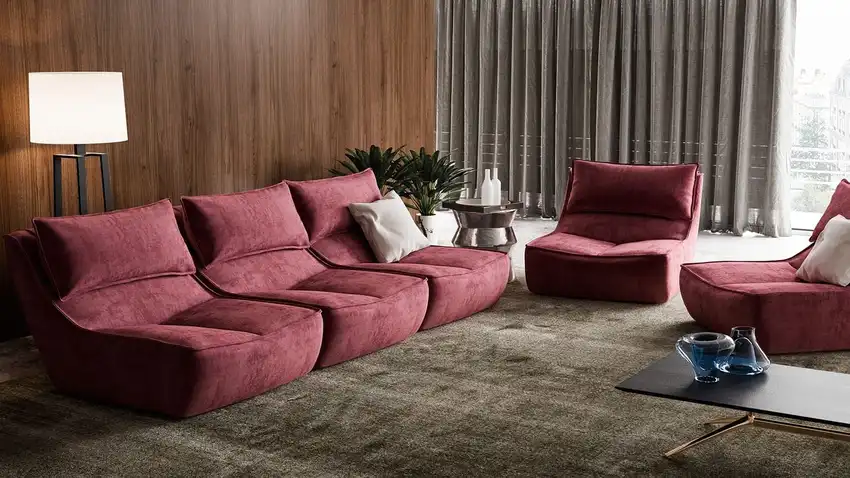

A sleeper sofa is a couch with a hidden mattress built into the frame. During the day, it works like a normal sofa. At night, you pull out the frame and unfold a real mattress for sleeping. It gives you two pieces of furniture in one footprint.
This guide covers what makes a sleeper sofa different from a sofa bed. Main types in the market, mattress options, sizing, and how to choose the right one for your space in 2026, along with Sofa Upholstery Dubai insights.
What Is a Sleeper Sofa?
A sleeper sofa is a couch built around a pull-out frame with a separate mattress tucked underneath the seat cushions. You lift the cushions, pull the frame forward, and the mattress unfolds into a full sleeping surface.
Key traits of Custom sofa:
- It has a hidden mattress, not just a folding seat
- It works for everyday sitting and occasional sleeping
- It saves floor space by combining a couch and a guest bed
Most sleeper sofas use a pull-out metal frame with an innerspring or foam mattress. Some newer convertible sofa designs use lighter mechanisms or memory foam for a smoother lift and a flatter sleep surface.
Sleeper Sofa vs Sofa Bed – What’s the Difference?

People use “sleeper sofa” and “sofa bed” interchangeably, but they are not built the same way.
| Term | How It Works | Best For |
| Sleeper sofa | Pull-out frame holds a separate hidden mattress | Regular overnight guests, better sleep comfort |
| Sofa bed | Seat cushions fold flat to form the sleeping surface | Occasional use, tighter budgets |
| Futon | No hidden mattress; the whole frame reclines flat | Small rooms, casual or rustic style |
A sleeper sofa gives you a dedicated mattress, so it usually sleeps better than a sofa bed that just folds flat. A sofa bed skips the extra mattress, which keeps the price lower but often means less cushioning at night.
In short, every sleeper sofa is technically a type of sofa bed, but not every sofa bed qualifies as a true sleeper sofa.
Sleeper Sofa vs Pull Out Couch: Are They the Same?

Yes. “Pull out couch” is another common name for a sleeper sofa. Both describe a couch with a mattress that pulls or lifts out from inside the frame. Retailers and shoppers use the terms interchangeably, so you will see the same product listed under both names.
Who Needs a Sleeper Sofa?
A sleeper sofa makes sense if any of these apply to you:
- You do not have a spare guest room
- Your home office or den doubles as a guest space sometimes
- You live in a studio, condo, or sleeper sofa for small spaces setup
- Friends or family stay over more often than you planned for
- You want flexible seating that can turn into a bed without buying two separate pieces
If you rarely host guests and only need a bed for a night once or twice a year, a simpler sofa bed or air mattress may cover your needs at a lower cost.
Main Types of Sleeper Sofas
Pull-Out Sleeper Sofas

This is the most common style. You remove the seat cushions, grab a bar or handle, and pull the frame out until the hidden mattress unfolds flat. Most standard sleeper sofas use this mechanism, and it works well in living rooms where the sofa is the main seating piece.
Sleeper Sectional

A sleeper sectional combines an L-shaped or U-shaped sofa with a pull-out bed built into one section. It takes up more floor space than a standard sleeper sofa, but it works well in larger living rooms or family rooms. The mattress is often queen size, though some chaise sections use a smaller twin mattress instead.
Futon-Style Sleepers

A futon frame reclines flat instead of pulling out a separate mattress. It has no hidden bed to lift out, which makes it lighter and often cheaper. Futon mattresses run from twin to queen and work in rooms with a casual or minimalist style.
Daybeds With Trundle

A daybed looks more like a single bed with a back cushion than a full couch. Some include a trundle, a second mattress on wheels that slides out from underneath. Daybeds work best in home offices or kids’ rooms rather than as a main living room sofa.
Sleeper Sofa Mattress Types
The mattress inside a sleeper sofa affects comfort more than the sofa’s outer style. Compare the common options below.
| Mattress Type | Comfort Level | Notes |
| Innerspring | Traditional, firmer feel | Classic coil support, can feel thin without extra padding |
| Memory foam | Contouring, pressure relief | Can sleep warmer, good for side sleepers |
| Gel memory foam | Contouring, cooler feel | Combines foam comfort with better airflow |
| Latex | Firm and bouncy | Eco-friendly option, holds shape well over time |
| Air-over-coil | Adjustable firmness | Comfortable but needs occasional air pump maintenance |
If you plan to use the sleeper sofa often, look for a mattress at least a few inches thick with a real coil or foam core, not just a thin pad over metal bars. A thin mattress is the most common complaint people have about older pull-out sleeper sofas.
Sleeper Sofa Sizes

Sleeper sofa sizes follow standard mattress sizing, so it helps to think in mattress terms first.
| Sleeper Sofa Size | Typical Mattress | Sleeps | Good For |
| Twin sleeper | Twin mattress | 1 person | Small guest rooms, home offices |
| Full/Double sleeper | Full mattress | 1-2 people | Compact apartments, guest rooms |
| Queen sleeper | Queen mattress | 2 people | Most common size, works for couples |
| King sleeper sectional | King mattress | 2 people | Large living rooms, frequent guests |
Before buying, measure your room with the mattress fully extended, not just the sofa in its folded position. Leave enough space to walk around the bed and open nearby doors or drawers.
Sleeper Sofa Pros and Cons
Pros
- Saves space by combining a couch and a guest bed in one piece of furniture
- Works well in studios, small apartments, and homes without a spare room
- Modern designs look like regular sofas, so they blend into your living room
- Ready for guests without setting up an air mattress or clearing out a room
Cons
- Mattresses can feel thinner than a standalone bed, especially on older models
- Pull-out mechanisms can be heavy or stiff to open, particularly on budget models
- Sleeper sofas often cost more than a comparable regular sofa
- Bulkier frames take up more depth than a standard couch, even when closed
What to Look for When Buying a Sleeper Sofa

Choosing a sleeper sofa is not just about how it sleeps. It also needs to work as your everyday couch. Use this table to guide your decision.
| Priority | What to Check | Why It Matters |
| Mattress quality | Mattress type and thickness | A thin pad over bars leads to poor sleep, even with a nice frame |
| Ease of opening | The pull-out mechanism | A stiff mechanism during the day becomes a hassle at midnight with a tired guest |
| Daily comfort | Seat depth, cushion fill, and fabric | The sofa needs to feel good for daily lounging, not just occasional sleeping |
| Realistic sizing | Extended footprint | Measure the fully opened bed, not just the folded sofa, before buying |
| Frame durability | Metal vs wood frame construction | A sturdy frame handles repeated folding without sagging or squeaking |
Room Size and Layout
Sleeper sofas save space when closed, but the mattress needs room to extend. Check the distance between the sofa and any wall, table, or doorway before you buy.
Design Style
A modern sleeper sofa with clean lines and a sleek pull-out mechanism fits contemporary rooms well. A futon-style sleeper with a wood frame suits a more relaxed or rustic look. Match the sleeper sofa’s style to the rest of your room, since it will double as your main seating most days.
Mattress Thickness
If guests will use the bed often, choose a mattress at least a few inches thick with real support, not a minimal pad. Occasional use allows for a thinner, more budget-friendly mattress.
Mechanism Test
Try opening and closing the mechanism yourself before buying, especially if you live alone or have limited strength. A smooth, one-person mechanism matters more once the excitement of a new sofa wears off.
Best Sleeper Sofa Options by Use Case
Different households need different sleeper sofa setups. Use these real-world scenarios as a starting point.
- Studio apartment: A compact full-size or queen sleeper sofa with a slim profile frees up floor space for daily living.
- Frequent hosts: A queen or king sleeper sectional gives long-term guests a real bed instead of a squeeze-in setup.
- Home office with occasional guests: A twin sleeper sofa or daybed with trundle fits a smaller room without dominating the space.
- Family room: A sleeper sectional works as the main seating area during the day and a guest bed at night, without needing a separate sofa.
Sleeper Sofa Buying Guide: Step-by-Step
- Measure your room, including the space needed for the mattress fully extended.
- Decide on mattress size based on how many people usually need to sleep on it.
- Pick a mattress type that matches your comfort priorities and how often it will be used.
- Test the pull-out mechanism in person if possible, or read reviews focused on ease of use.
- Match the sofa’s style and fabric to your existing room design.
- Check the warranty and return policy, since comfort is hard to judge from photos alone.
Frequently Asked Questions
What is the difference between a sleeper sofa and a sofa bed?
A sleeper sofa has a separate hidden mattress that pulls out from inside the frame. A sofa bed, more like a futon, folds the seat cushions flat to create the sleeping surface. The terms are often used interchangeably in everyday conversation.
Is a pull out couch the same as a sleeper sofa?
Yes. “Pull out couch” and “sleeper sofa” both refer to a couch built around a hidden mattress that pulls out from the frame.
What size mattress fits most sleeper sofas?
Queen is the most common size for a standard sleeper sofa. Twin and full sizes work for smaller rooms, while king-size mattresses usually appear in larger sleeper sectionals.
Are sleeper sofas comfortable to sleep on every night?
It depends on the mattress. A sleeper sofa with a thick memory foam or quality innerspring mattress can work for regular use. A thin pad over a metal frame is better suited to occasional guests.
How do I know if a sleeper sofa will fit my room?
Measure the space with the mattress fully extended, not just the sofa in its closed position. Leave room to walk around the bed and access nearby furniture or doors.
What is a sleeper sectional?
A sleeper sectional is an L-shaped or U-shaped sofa with a pull-out bed built into one section. It offers more seating than a standard sleeper sofa and works well in larger rooms.
Key Takeaways
- A sleeper sofa has a hidden mattress inside a pull-out frame, separate from the seat cushions.
- A sofa bed folds flat instead of pulling out a dedicated mattress, so the two terms are related but not identical.
- Common types include pull-out sleeper sofas, sleeper sectionals, futon-style sleepers, and daybeds with trundles.
- Mattress type and thickness affect comfort more than the outer sofa design.
- Sizes range from twin to king, so measure your room with the bed fully extended before buying.
- A sleeper sofa works best for studios, guest rooms, home offices, and homes without a spare bedroom.
- Check the mechanism, mattress quality, and frame durability before choosing a sleeper sofa for regular use.